21/10/2026 12:14
Shop Emblem or Hidden Stamp Detail? YouTube Watermark Checks for Cambodian Stamp Shops
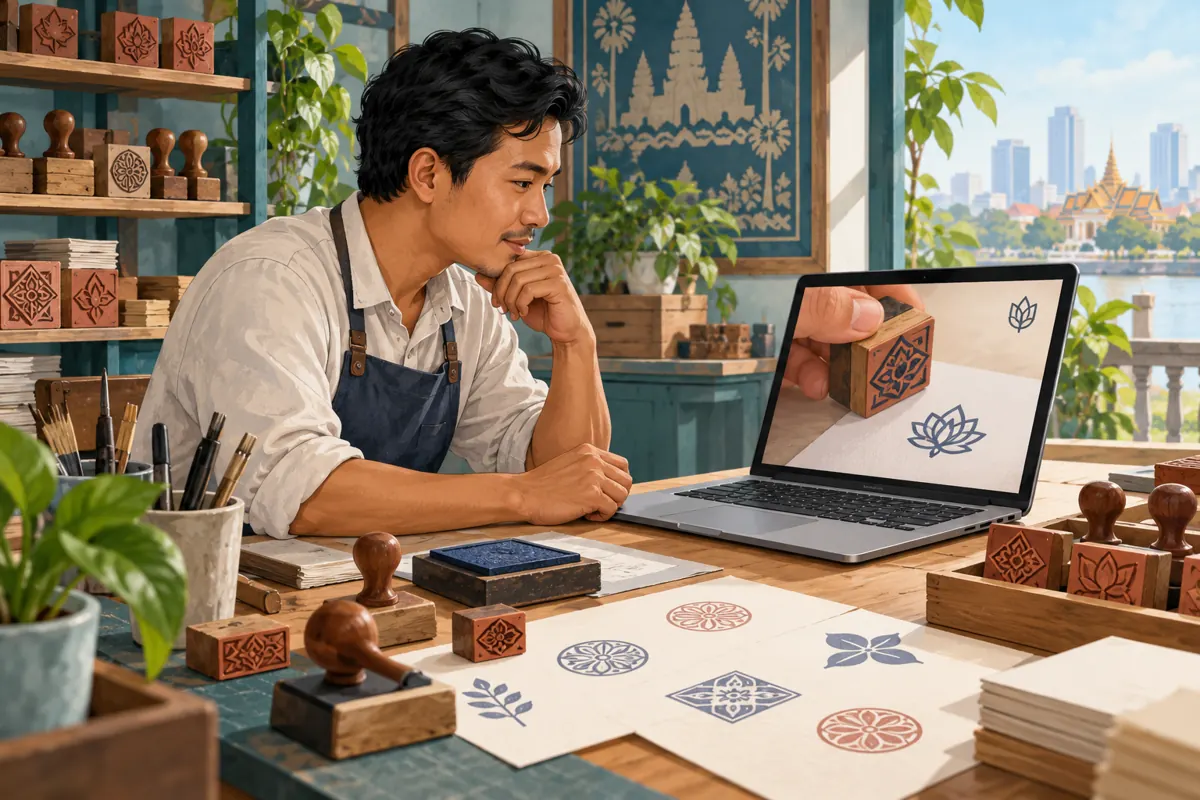
A stamp demonstration needs to show the impression clearly: the edges, spacing and small details that help a buyer explain what they want. A shop emblem can help identify the maker, but it becomes a distraction when it competes with that evidence. For Cambodian businesses promoting demonstrations through social posts or reviewing SMM panel services, this creates a practical question: how should the channel identify itself without making the product harder to inspect? This workflow uses a hypothetical Phnom Penh rubber-stamp shop to explain watermark preparation, viewing checks and honest reporting. The illustrations are conceptual examples, not screenshots of YouTube controls.
1. Give the watermark one clear job
Start with a short purpose statement: viewers should recognize which shop produced the demonstration. That is a useful branding objective because a close-up of a stamp, an ink pad and white paper may look similar across several workshops. Recognition does not require a miniature business card. An emblem already associated with the shop is usually a better starting point than a dense combination of address, telephone number, slogan and product list.
In our hypothetical shop, the owner wants to promote a demonstration of a decorative packaging stamp. The main question is whether the impression stays legible on the chosen paper. The emblem should support recognition while that question remains central. Write the intended buyer action separately: ask the shop about artwork and stamp dimensions. This keeps the branding decision from absorbing every communication task the video needs to perform.
2. Understand the feature before designing around it
YouTube places video-watermark settings under YouTube Studio, Customization, Profile. Its documented display choices are the final 15 seconds, a chosen start time or the whole video. The image must be square, at least 150 × 150 pixels and smaller than 1 MB. Watermarks are available in landscape viewing on computers and mobile devices, but are not clickable on mobile. They are unavailable on videos marked as made for kids. These limits make a separate, clear enquiry route essential. See [YouTube’s channel-branding guidance](https://support.google.com/youtube/answer/10456525?hl=en).
Distinguish this channel feature from artwork placed inside the exported video by an editor. Keep a note of which method your team uses. If the shop has already embedded a large emblem in its footage, adding another mark may create needless repetition. Review the actual picture before assuming that a new setting will solve an existing design problem.
3. Prepare an emblem that survives a small display
Begin with the shop’s approved artwork and create a simplified candidate for review. Preserve the identifying shape rather than squeezing every detail into the available space. If the original design depends on several lines of Khmer lettering, test whether those letters remain readable at the size viewers will encounter. Do not replace meaningful wording with a decorative approximation merely to make the image look tidy.
Place the candidate over sample stills from the demonstration: white paper, a dark ink pad, a wooden counter and a hand lifting the stamp. These are practical contrast tests, not performance predictions. Ask another staff member to identify the emblem without zooming in. If recognition depends on enlarging the image, simplify it again. Keep the original artwork and the review candidate separately named so that an unfinished version cannot be mistaken for the approved shop identity.
4. Protect the impression viewers came to inspect
Watch the demonstration once while concentrating only on what a prospective buyer must see. Mark the moments when the stamp touches the paper, lifts away and reveals its edge. Also note any ruler, paper label or comparison sample that explains the result. These moments form the visual evidence of the demonstration. A branding choice is unsuccessful if it prevents viewers from inspecting that evidence comfortably.
In the hypothetical example, the presenter slides the finished impression toward a corner while describing its border. The reviewer should flag that movement before promotion. For future filming, leave comfortable space around important objects and keep the sample steady during the explanation. For existing footage, evaluate the available watermark timing against the demonstration. If no option produces an acceptable result, leaving the optional watermark out is a reasonable editorial decision.
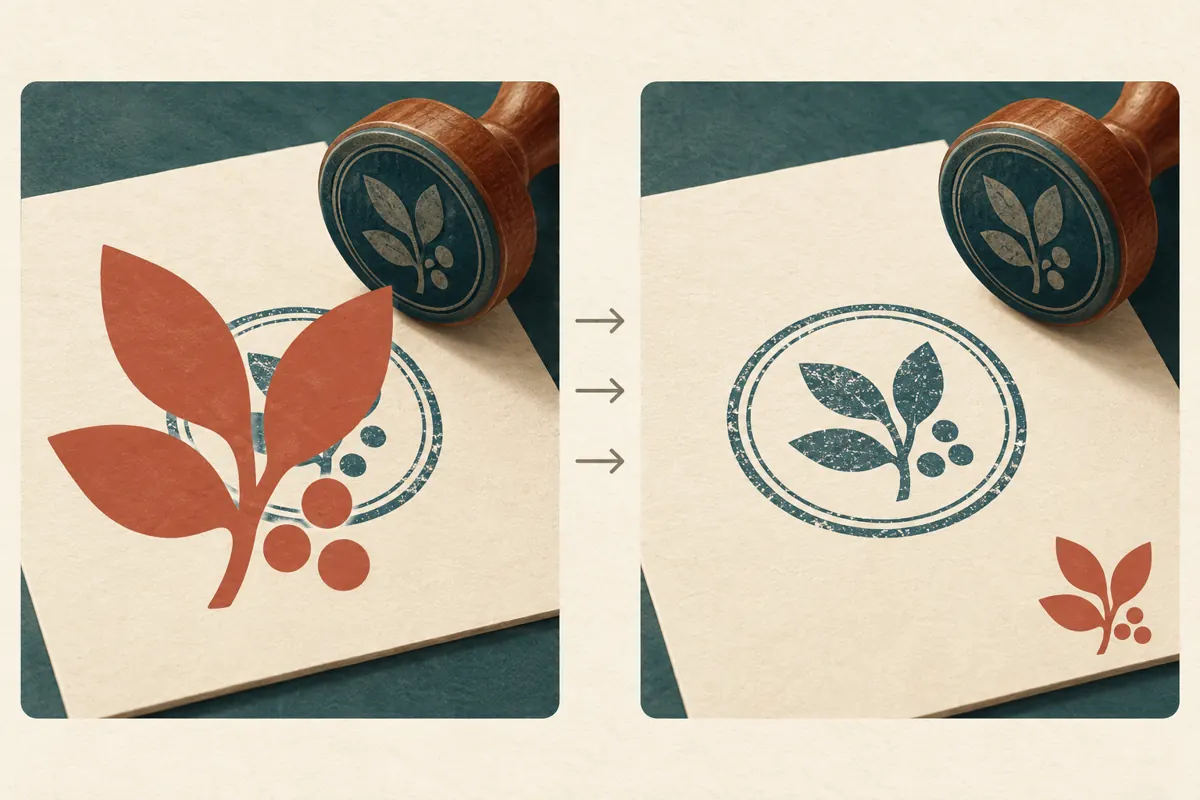
5. Choose timing from the footage, not habit
Prepare a simple viewing map with three entries: opening identification, product demonstration and closing instructions. Record where each begins in the actual video. Then decide when an additional identity cue helps. A video that already opens with the shop’s name may need less repeated branding than a demonstration that begins immediately with a close-up. Neither arrangement automatically produces more subscribers or better enquiries.
Consider the rest of the channel before settling on a choice. A quiet packaging-stamp demonstration and a fast ink-pad replacement lesson may have very different visual layouts. Inspect representative older uploads as well as the newest video when reviewing channel branding. Record the chosen setting and why it suits the material. Avoid changing it repeatedly in response to a single day’s subscriber movement; that movement cannot tell you whether the emblem obstructed a product detail.
6. Test the viewer’s experience on actual devices
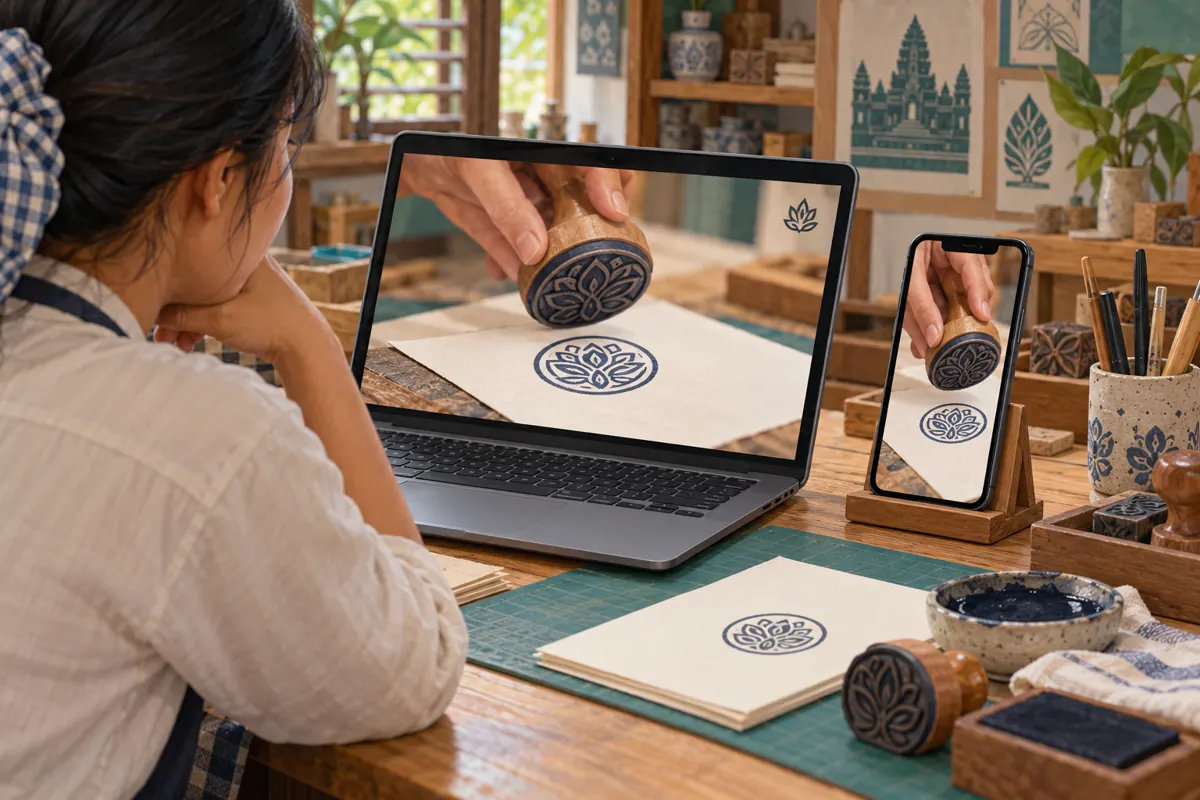
After saving the approved configuration, open the public viewing experience on a computer and on a phone. Check the beginning, the important close-up and the closing instructions. Rotate the phone and observe what changes. Record the device, orientation and observed result instead of writing only “works.” A clear review note might say that the impression remained visible during the lift and that the closing contact instruction could be read comfortably.
Keep the enquiry instruction understandable even when the emblem is absent or cannot be used as a control. For example, the hypothetical shop could tell viewers where to find its confirmed contact details and what information to send. Ask a colleague unfamiliar with the edit to follow that instruction. If they cannot explain the next step without guessing, improve the wording. The demonstration should not require viewers to discover a tiny graphic before they can ask a useful question.
7. Give interested viewers a useful enquiry prompt
For a custom stamp, “message us” leaves much of the work unexplained. A more helpful prompt asks for the intended use, approximate impression size and whether the buyer already has artwork. The shop can then explain its actual review process. Keep confidential customer documents out of public comments and demonstration materials. Use invented sample artwork for the video unless the business has appropriate permission to show a real design.
Adapt the spoken explanation and written instructions to the people the shop serves. A Cambodian workshop addressing customers in Khmer should have a fluent reviewer check the meaning of its enquiry wording, particularly size terms and production conditions. Do not imply that an enquiry reserves stock, approves artwork or confirms an order. Those are separate steps. A clear branding treatment helps viewers recognize the workshop; a clear conversation process helps staff understand the request.
8. Review SMM subscriber listings without confusing them with branding
The supplied public catalogue includes “YouTube Subscriber ~ Max 100k ~ 50-150/days ~ Instant ~ 𝐍𝐎 𝗥𝗘𝗙𝗜𝗟𝗟”. It is presented as a subscriber service, but the brief supplies no supporting description. The wording does not establish its delivery method, audience location, customer interest or compliance with YouTube rules. Treat the embedded quantity and timing language as catalogue claims, not verified outcomes. It provides no basis for concluding that Cambodian stamp buyers will discover the shop.
YouTube prohibits artificial increases in engagement metrics and warns that a hired promoter’s methods can affect the channel. Encouraging genuine viewers to subscribe is allowed; purchasing artificial engagement is a different activity. Review the [official fake-engagement policy](https://support.google.com/youtube/answer/3399767?hl=en) before considering a third-party proposal. If the method cannot be established, do not proceed on the strength of the service title. A watermark review does not make an otherwise unsuitable promotion method acceptable.
9. Keep three kinds of evidence separate
Maintain a branding record, a promotion record and an enquiry record. The branding record contains the approved emblem, selected setting and viewing checks. The promotion record identifies what was shared, when and through which documented method. The enquiry record describes actual questions received and their subsequent status. Keeping these records distinct makes it easier to answer practical questions without turning an attractive design change into an unsupported sales claim.
For example, a hypothetical customer might ask whether the shop can reproduce a narrow border after watching the demo. That is evidence of a specific enquiry, not proof that the watermark caused it. A higher subscriber total is also not proof of orders. Purchased engagement cannot establish genuine interest, Cambodian audience origin, ad delivery or sales. When attribution is unknown, record it as unknown. Staff can still improve the demonstration using the substance of genuine questions.
10. Resolve common mistakes before sharing the demo
The first mistake is trying to make the emblem carry the entire offer. Remove tiny prices, changing promotions and delivery promises from the branding candidate; explain those details where they can be read and maintained. The second is checking only a paused frame. Watch the hand movement and the moment the impression appears. The third is assuming a desktop observation describes every viewer’s experience. Complete the device review before writing instructions that depend on a particular control.
The final mistake is treating branding as a substitute for a useful demonstration. If the sample is blurred, the dimensions are unexplained or the ordering process is uncertain, fix those issues first. Approve the video when viewers can inspect the result, identify the shop and understand how to ask an informed question. Then share it through suitable, documented channels. Preserve the review note so the next editor can understand why the emblem, timing and enquiry wording were chosen.

Frequently asked questions
Should the watermark contain our full Khmer shop name?
Only if it remains readable in the actual viewing experience. Start with the approved identity, then test it at a small size. A recognizable emblem may work better than compressed lettering. Keep the complete shop name clearly stated elsewhere in the presentation, and have a fluent reader review any Khmer artwork before approval.
What if the emblem covers the best part of the stamp impression?
Review the timing options against that exact moment. Do not accept an obstructed product detail merely to keep branding visible. If the optional feature cannot coexist with the demonstration cleanly, omit it. During the next shoot, keep the sample comfortably inside the frame and avoid moving essential details toward its edges.
Does a subscriber increase prove the watermark worked?
No. A change in the channel total does not isolate the effect of one design choice. Other uploads, sharing activity and viewer decisions may contribute. Keep the branding review focused on recognition and visibility, and use genuine enquiry records to understand what prospective customers actually wanted to know.
Can an SMM subscriber service help us test the emblem?
Purchased subscribers cannot establish whether viewers recognized the emblem or understood the demonstration. Ask real reviewers to inspect the video and describe what they saw. Assess any promotion service separately against its documented method and platform policy; the supplied listing has no description that resolves those questions.
When should a Cambodian stamp shop repeat this review?
Repeat it after changing the emblem, altering the demonstration format or noticing a new visibility problem. Also revisit the enquiry wording when the shop changes its process. Keep the review proportional: inspect the affected footage and viewing conditions rather than redesigning the whole channel whenever a minor detail changes.
Explore the current service catalogue, create an account, or ask a specific question through support tickets.
Prepared with AI assistance. Illustrations explain the workflow and do not represent customer results.