20/10/2026 22:15
Filmed Here or Collected Here? YouTube Location Tags for Cambodian Rattan Shops

A chair demonstration can show exactly how a woven backrest flexes while leaving a buyer confused about where to visit. The workshop in the video might be different from the showroom, and neither place necessarily defines the delivery area. For Cambodian rattan businesses promoting videos on YouTube, these distinctions deserve attention before sharing the link more widely. This guide explains how to review a video’s location information, write useful collection instructions and assess related SMM panel claims. The aim is a practical customer journey: understand the product, identify the correct place and confirm the next step without mistaking a filming location or an engagement count for a business promise.
1. Start with the question a buyer needs answered
Consider a hypothetical rattan shop that sells through a Phnom Penh showroom but films a chair demonstration at a workshop in Kandal. A viewer recognises the workshop surroundings and assumes that chairs can be collected there. The seller, meanwhile, expects customers to contact the showroom. Both people understand the product, but they understand the location differently. A location review should catch this mismatch before the video becomes part of a promotion.
Write the intended next step in one sentence before changing any settings. For this hypothetical shop, it could be: ask the showroom whether the demonstrated chair is available, then arrange collection. That sentence helps decide what information belongs beside the video. The filming place provides context; the collection instructions support the transaction. If a viewer must first confirm stock or book a visit, say so explicitly rather than letting a recognisable building imply that walk-in collection is available.
2. Separate filming, collection and delivery
Create three entries in the working brief: where the footage was recorded, where customers may collect purchases and where delivery can currently be arranged. Have the person responsible for each operation verify the relevant entry. A camera operator may know the filming address but have no authority to promise delivery. A showroom assistant may know collection hours but be unfamiliar with whether visitors are permitted at the workshop.
For a Cambodian business, check place names in the language customers actually use. A district name alone may not identify the intended premises, while an English transliteration may differ from the wording a customer recognises. Keep one approved spelling for each customer-facing destination, together with a clear explanation of its role. Avoid inserting several nearby landmarks simply to attract searches. Include a landmark only when staff have checked that it helps someone identify the correct entrance.
3. Understand the YouTube location field
YouTube’s upload guidance describes recording location as the place where the video was filmed. Its location-tag help explains that viewers can use a location tag to find public videos tagged in the same area. This makes the tag useful context, but it should not be treated as a shop directory entry or a promise that people nearby will watch. The official pages supporting these feature details are listed in the sources.
Use this decision rule: add a location only when it accurately describes the footage and is appropriate to disclose. If the demonstration was filmed at a private home or a workshop that does not receive visitors, consider whether any location tag would help the viewer. Leaving location information out is preferable to creating a misleading impression. A delivery destination, desired customer neighbourhood or future showroom is not a substitute for the actual filming place.
4. Make a deliberate edit in YouTube Studio
On a computer, YouTube’s documented route is YouTube Studio, Content, then the relevant video title or thumbnail. In the details page, select Show more and find Recording date and location. Search under Video location, select the intended location and save. Before saving, compare the selected place with the filming note in your brief. Similar names deserve a second check.
Keep the edit focused. Record the video URL, the chosen location and the reason for choosing it in your internal content notes. If the search results do not offer a location you can confidently identify, stop rather than selecting a plausible-looking alternative. Ask the person who filmed the demonstration to resolve the uncertainty. This prevents a routine metadata task from silently becoming a guess about geography, and gives another staff member enough context to review the decision later.

5. Give collection instructions their own clear wording
Write customer instructions separately from the filming context. A hypothetical description might say: this chair demonstration was filmed at our workshop; customer collection is arranged through our Phnom Penh showroom after stock confirmation. The business would then add its verified contact route and approved collection details. This example is a writing model, not a claim about an actual shop or address.
Prioritise information that changes the buyer’s next action. State whether visits require an appointment, whether the displayed chair is a sample and whether collection depends on preparation. Avoid broad wording such as available here when here could mean the video location, the showroom or the city. If the buyer must send a screenshot to identify the model, request that before discussing transport. Location clarity is most useful when the product and collection conditions are equally clear.
6. Review the whole video for conflicting place cues
A correct location field cannot resolve every contradiction. Watch the opening, product demonstration and closing invitation together. Listen for phrases such as come to our workshop, and check whether an old address appears on packaging, a wall sign or an end card. Those details may be more persuasive to a viewer than a careful sentence below the video. Decide whether the footage needs an edit before further promotion.
YouTube also documents automatic Featured places as a separate feature, when available and eligible. It can use prominently featured destinations in descriptions, transcripts and video frames; its automatic setting can be disabled in video details. Review that setting separately from the location you selected. For your editorial check, ask a colleague unfamiliar with the filming session to identify where a customer should go. If the colleague points to the workshop when collection belongs elsewhere, revise the explanation.
7. Evaluate panel services against the actual task
The supplied public catalogue includes the exact service title “YouTube - Like ~ Max 1M ~ 𝐍𝐎 𝗥𝗘𝗙𝗜𝗟𝗟 ~ 50k/days ~ INSTANT”. Its name identifies it as a YouTube likes offering, but the brief supplies no description explaining its method. The quantities, speed and refill wording are catalogue claims, not independently verified results. Nothing supplied establishes Cambodian audience targeting, customer interest or an ability to improve location information.
YouTube prohibits artificially increasing engagement metrics and warns that a hired promoter’s actions can affect a channel. Treat that as a decision gate, not a footnote. Do not order artificial engagement to make a location appear popular. Purchased engagement is not evidence of genuine interest, sales, ad delivery or Cambodian users. For this task, the useful work is checking the video, explaining collection and sharing it honestly with relevant audiences. A panel listing does not establish official platform affiliation or policy compliance.

8. Share the guide with a specific purpose
Once the location wording is clear, choose a sharing context where the demonstration answers a real question. A showroom employee could send it to someone asking about the chair’s backrest, with a short note explaining where collection is arranged. A business’s own social post could introduce the demonstration and invite viewers to check availability. In either case, the accompanying message should preserve the distinction between the place shown and the place customers visit.
Keep a simple record of what was shared, where and why. If a promotion partner is involved, give them the approved collection wording and require them to ask before changing it. Do not let a shortened caption turn workshop footage into an invitation to arrive there. Avoid claims that a location tag guarantees local exposure. The immediate test is whether the message remains accurate when separated from the longer description and read on a small screen.
9. Measure confusion and enquiries without inventing attribution
Review customer questions after sharing. Useful observations include whether people ask which branch holds the sample, whether they request delivery outside the stated area and whether anyone mistakes the workshop for the collection point. Keep brief notes that describe the question and the answer it required. You do not need to retain unnecessary personal details to identify an unclear phrase.
In a hypothetical review, a buyer sends the chair video and asks whether collection is possible at the building shown. That question suggests the location explanation needs attention; it does not prove the location tag brought the buyer. Record an enquiry separately from a reservation and a completed purchase. When several posts or conversations could have influenced the person, leave attribution uncertain. A useful review can conclude that the directions became clearer without claiming increased reach or sales.
10. Avoid shortcuts that create maintenance problems
A common mistake is changing an older video’s filming location to match a newly opened showroom. The business has moved, but the footage has not. Preserve truthful filming context and update current customer instructions separately. Another mistake is copying one location choice across every demonstration even when some were recorded at a supplier, an exhibition or a customer’s premises. Review each video according to its actual circumstances and any permission limits.
Assign someone to revisit collection wording when premises, access arrangements or delivery coverage change. Keep a short list of videos still used in customer replies so the team can update the most relevant ones first. Before sharing an older demonstration again, confirm that its destination instructions remain usable. This small maintenance habit prevents a good product explanation from repeatedly sending people toward an outdated address, an unavailable sample or a workshop that cannot receive them.
Frequently asked questions
Should I tag Phnom Penh because that is where I want customers?
Use a location that truthfully describes where the footage was filmed. A desired customer market is a separate planning decision. If filming took place elsewhere, explain the Phnom Penh collection arrangements in the customer instructions without relabelling the filming place. You can also choose to leave a location tag out when it adds little useful context.
What if the workshop and showroom have the same business name?
Add a plain-language role to each reference, such as filming workshop or customer showroom. Use the verified address and entrance details for collection, and say whether the workshop accepts visitors. Matching business names are not enough to tell a first-time buyer which premises hold the sample or handle purchases.
Does a location tag confirm that viewers are Cambodian?
No. A place associated with a video does not establish the residence or buying intent of the people watching it. Avoid labelling engagement as Cambodian customer interest merely because the video carries a Cambodian location. Keep audience assumptions separate from concrete customer conversations and confirmed business outcomes.
Can an SMM panel fix incorrect location information?
The supplied service information does not establish any location-editing service. A likes offering does not correct the filming place, clarify an entrance or confirm delivery coverage. Have an authorised channel editor review those details. Do not treat an engagement order as a substitute for an accurate video or a clear customer reply.
What should change when the shop relocates?
Review the current collection instructions in videos you still share, along with the messages staff use to introduce them. Explain that older footage shows the previous premises where necessary. If spoken directions or prominent signage would still send customers to the wrong place, revise the footage or use a clearer current guide.
Explore the current service catalogue, create an account, or ask a specific question through support tickets.
- YouTube Help: Tag your location on videos and live streams
- YouTube Help: Upload YouTube videos — recording location and Featured places
- YouTube Help: Fake engagement policy
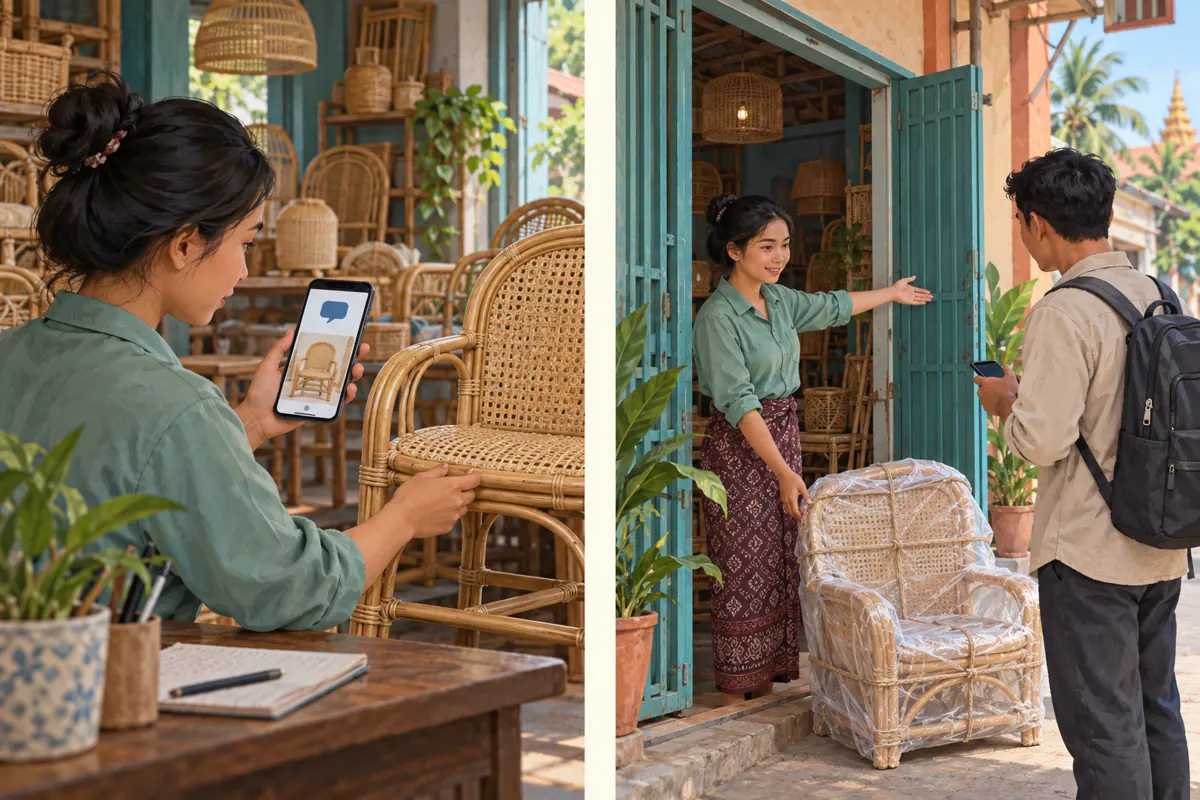
Prepared with AI assistance. Illustrations explain the workflow and do not represent customer results.