19/10/2026 12:49
Find the Spoken Detail: A YouTube Transcript Workflow for Cambodian Lighting Shops

A customer remembers a lamp from your YouTube demonstration but cannot remember whether its brightness was adjustable. Your assistant remembers discussing the controls, yet finding the explanation means replaying the video while the customer waits. A transcript can help locate the spoken detail. For Cambodian lighting shops promoting demonstrations through social media, this creates a practical connection between published content and useful customer service. The workflow is straightforward: locate the statement, replay its context, verify the product and write a focused reply. It also helps identify when improving an existing video is more useful than spending money on an SMM panel service.
1. Start with one question the video should answer
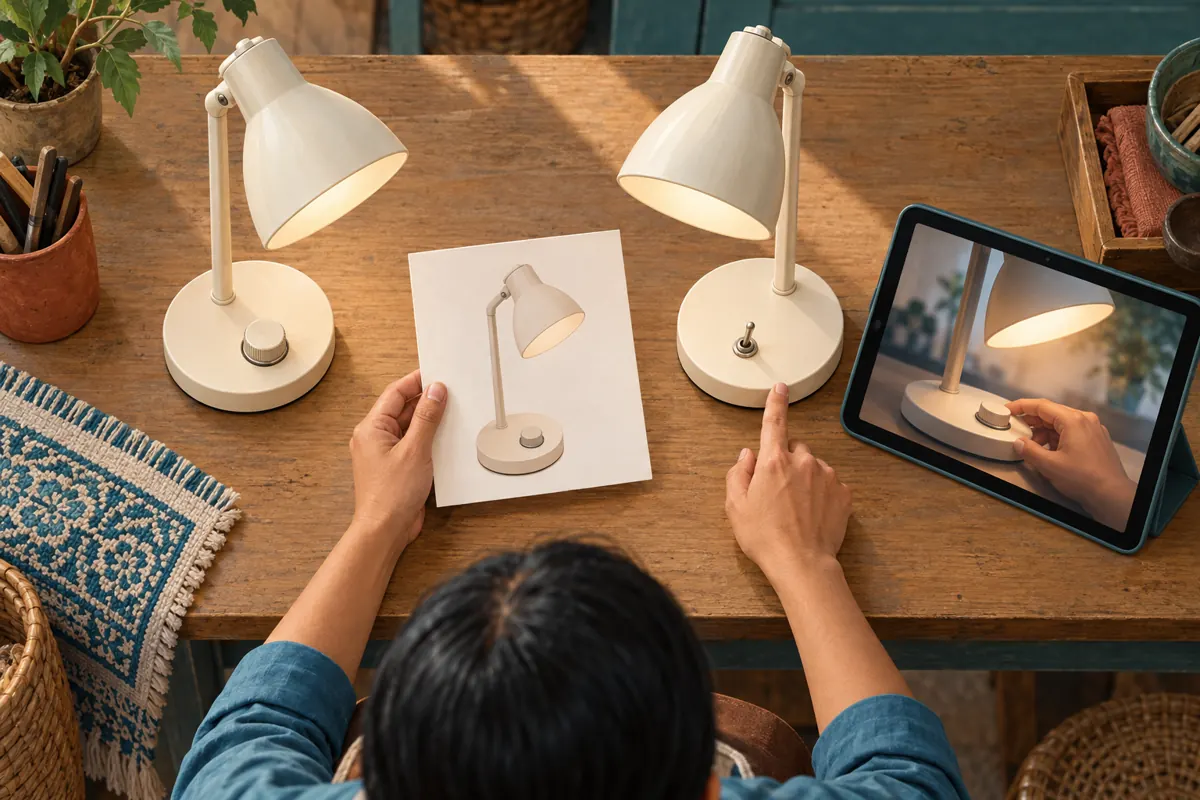
Consider a hypothetical lighting shop in Phnom Penh that has filmed several desk lamps together. A viewer asks whether the cream lamp adjusts in brightness or only changes its angle. The assistant should first identify which lamp the customer means. Request the product code, a screenshot of the lamp or a description of its base and controls. Colour alone may not distinguish similar versions. Do not begin with a confident answer based on remembering the overall demonstration.
Write the task as a narrow question: does the particular model shown have a brightness control? This gives the transcript review a clear purpose. Avoid expanding the reply into an unrelated catalogue pitch. If the customer actually needs a lamp for a specific desk, resolve the control question first and then ask about the intended use. A helpful next step follows the customer's uncertainty instead of assuming that watching a video means readiness to buy.
2. Open the transcript and locate the relevant passage
YouTube's official View video transcripts guidance says that videos with captions have a full transcript. Open the video description and select Show transcript. Selecting a line of caption text jumps to that part of the video. This makes the transcript a navigation aid: use the wording to locate a likely passage, then return to the demonstration. The supporting official page is included in the sources below.
Scan for the words the presenter might have used, such as brightness, switch, knob or adjustable. Customer vocabulary and presenter vocabulary may differ, especially when a Cambodian shop discusses products using Khmer speech alongside English model names. Do not depend on one exact phrase. If the transcript option is unavailable in the viewing situation you test, use manual playback and record the relevant moment yourself. Keep answering the question rather than making the customer troubleshoot the interface.
3. Replay enough context to identify what the speaker meant
A matching word is only a starting point. Replay the passage from before the statement until the presenter finishes the explanation. Watch which product is being held or indicated. In a hypothetical comparison, the presenter might say that one lamp has adjustable brightness immediately before picking up another model. A transcript line read in isolation could attach the feature to the wrong lamp. The surrounding picture and speech together establish what was actually demonstrated.
Pay particular attention to qualifications: only this version, with the supplied accessory, or unlike the previous model. Those phrases can change the answer. If the camera never shows the relevant control clearly, record that limitation instead of filling the gap from memory. Your internal note should distinguish what the presenter said from what the video visibly demonstrates. That distinction helps the next assistant understand whether they need another product check before replying.
4. Check the current product before turning speech into a promise
Match the lamp in the video to the item currently offered. Compare its model identifier, control layout and supplier documentation. Similar housings can contain different features, and an older demonstration may show a version the shop no longer stocks. For the hypothetical cream lamp, a rotary control on the filmed model and a simple switch on the current item should trigger further checking. Appearance is useful for identification, but it is not sufficient evidence of equivalent functions.
Ask the staff member responsible for product information to resolve any disagreement between the demonstration and the current documentation. Until then, tell the customer exactly what remains unconfirmed. Keep present availability, included accessories and delivery arrangements separate from the historical video. A correct explanation of an older lamp does not establish today's stock or package contents. If the footage is materially misleading for the current item, stop using it as the main answer for that model.
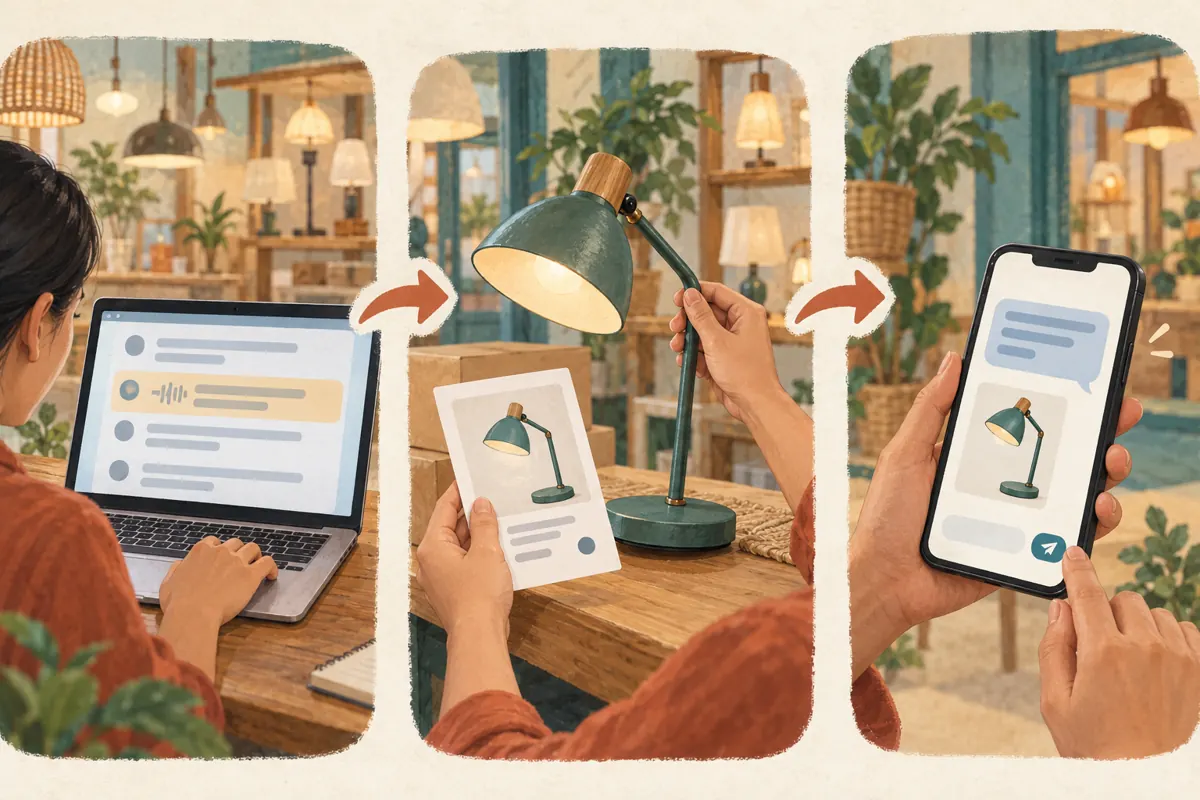
5. Write a reply that remains useful without playback
Build the response around three elements: the verified answer, the product it applies to and an optional way to see the explanation. For the hypothetical shop, an English draft could read: The cream model with the rotary control shown in this demonstration adjusts brightness. The similar model with the simple switch is a different version. Please send the product code so we can confirm which one you mean. Use such wording only after verifying those features.
Answer in the language the customer understands, with a fluent reviewer checking technical meaning where needed. Keep genuine model codes unchanged so staff can identify the item. Add the video link and a short description of the relevant scene if watching would help. Do not make playback a condition for receiving a basic answer. A customer reading discreetly at work or using a slow connection should still understand the essential distinction from the message itself.
6. Keep a small record that another assistant can reuse
Create one compact reference entry for each verified answer. Record the customer question without personal details, the video URL, the relevant playback position, the model identifier, the approved answer and the date of the product check. Name the staff role responsible for reviewing changes. This is enough to make the answer traceable without copying an entire conversation or creating a large transcript archive that nobody maintains.
Include a condition that tells staff when to check again. Examples include a new supplier batch, a changed model code or a replacement demonstration. If the reply depends on an accessory, make that dependency visible beside the answer. Keep unresolved entries clearly marked so an assistant cannot mistake a draft for approved wording. When there are only a few recurring questions, a short shared document may be easier to use than a complicated content database.
7. Decide whether the transcript, the demonstration or the explanation needs work
Treat different problems differently. If the transcript wording does not match the speech, review the caption text. If the speaker's claim is wrong, changing written text alone cannot make the recorded explanation reliable. If the statement is correct but the product is difficult to identify, improve the visual identification in a future demonstration. This diagnosis prevents a team from polishing sentences while leaving the underlying customer confusion intact.
For a hypothetical lamp comparison, staff may discover that the presenter repeatedly says this one while several similar products remain on the counter. A better follow-up video would name each model aloud, show its identifier and demonstrate one control at a time. Explain the confirmed distinction in the accompanying promotion. The customer question has then produced a specific editorial improvement rather than another generic post asking people to watch the same unclear footage.
8. Judge an SMM service against the problem you actually have
The supplied tubekh.com catalogue includes the exact public service name YouTube - Views ~ 𝐋𝐢𝐟𝐞𝐓𝐢𝐦𝐞 ~ 1k-2k/days ~ [ 𝐒𝐨𝐮𝐫𝐜𝐞: Mixed ]. Its name presents it as a views service, but the supplied description is empty. The title alone does not verify its delivery method, audience location, viewer intent or advertised characteristics. It provides no basis for treating the service as transcript editing, product verification or customer support.
YouTube's Fake engagement policy prohibits artificially increasing engagement metrics and explains that a hired promoter's actions can affect the channel. Do not proceed with a method that violates that policy. Purchased engagement is not evidence of genuine interest, sales, ad delivery or Cambodian users. For this workflow, assign resources to the missing capability: checking the model, improving the explanation or helping relevant customers find it. A higher visible count would not resolve uncertainty about the lamp's controls.
9. Promote the verified answer where it is relevant
Once the answer is dependable, introduce the demonstration through a precise question. For the hypothetical shop, a promotional message could explain that the video compares a brightness control with an angle adjustment. Use that description only if the footage actually makes the comparison. Share it through the shop's own appropriate channels or in response to a relevant enquiry. Avoid posting repetitive links into unrelated discussions or presenting the demonstration as an answer to every lighting problem.
Separate stable product education from changing commercial details. The video may explain the controls while the current reply confirms availability and collection arrangements. For customers outside Phnom Penh, establish delivery suitability in the conversation rather than assuming that a video view reveals their location. If someone asks about a different model, acknowledge the mismatch and provide a suitable answer. Sending a popular but irrelevant demonstration can create more uncertainty than sending no video at all.
10. Test the reply and watch for recurring mistakes
Ask a colleague unfamiliar with the demonstration to try the finished reply on a phone. Can they identify the model, understand the control and explain what still needs confirmation? Let them attempt the task before offering hints. If they choose the wrong lamp, fix the identification. If they understand the text but cannot find the passage, improve the navigation guidance. This rehearsal tests the usefulness of the answer without pretending to measure customer demand.
Common mistakes include quoting a transcript without replaying it, overlooking a spoken qualification, applying an old model's features to new stock and sending a link with no answer. Another is recording every enquiry as a buying signal. During routine review, note whether customers still ask the same follow-up question and what caused it. Keep observations separate from conclusions about sales. If staff remain unsure, mark the answer for review instead of circulating increasingly confident versions.

Frequently asked questions
What should we do if the video has no usable transcript?
Find the relevant passage through playback and record its position manually. If you cannot locate a clear answer, check the product and respond directly. A transcript is a convenience for finding speech; its absence should not stop the shop from answering a question it can verify independently. Consider preparing a clearer demonstration if the same issue recurs.
Can an English transcript answer a question asked in Khmer?
It can help staff locate the explanation, but the customer reply still needs an accurate translation of the verified meaning. Ask a fluent colleague to check distinctions such as brightness adjustment versus physical angle adjustment. Preserve model codes and avoid assuming that a literal translation of a product term will be the clearest wording for the customer.
Should we send the customer the entire transcript?
Usually a concise answer and an optional video reference are easier to use. A full transcript can include unrelated models, outdated offers and conversational phrases that need context. Send more detail when the customer requests it, but do not make them extract a basic product fact from a long block of speech.
Can we tell whether someone used the transcript from their enquiry?
Only if they tell you or you observe it during an agreed usability exercise. A question that repeats the presenter's wording does not establish how the person found it. Record what the customer actually reports. Do not infer transcript use, location or purchase intent from a view count or a familiar phrase.
Is buying views a useful test of whether the answer is clear?
No. Delivery of a views service does not demonstrate comprehension. Test the answer by asking someone to identify the correct product and explain its relevant feature, then examine genuine follow-up questions. Artificial engagement also conflicts with YouTube's policy. Keep any service records separate from evidence about whether customers understood the explanation.
Explore the current service catalogue, create an account, or ask a specific question through support tickets.
Prepared with AI assistance. Illustrations explain the workflow and do not represent customer results.