20/10/2026 18:27
New Lamp, New Link? A YouTube Reupload Workflow for Cambodian Shops
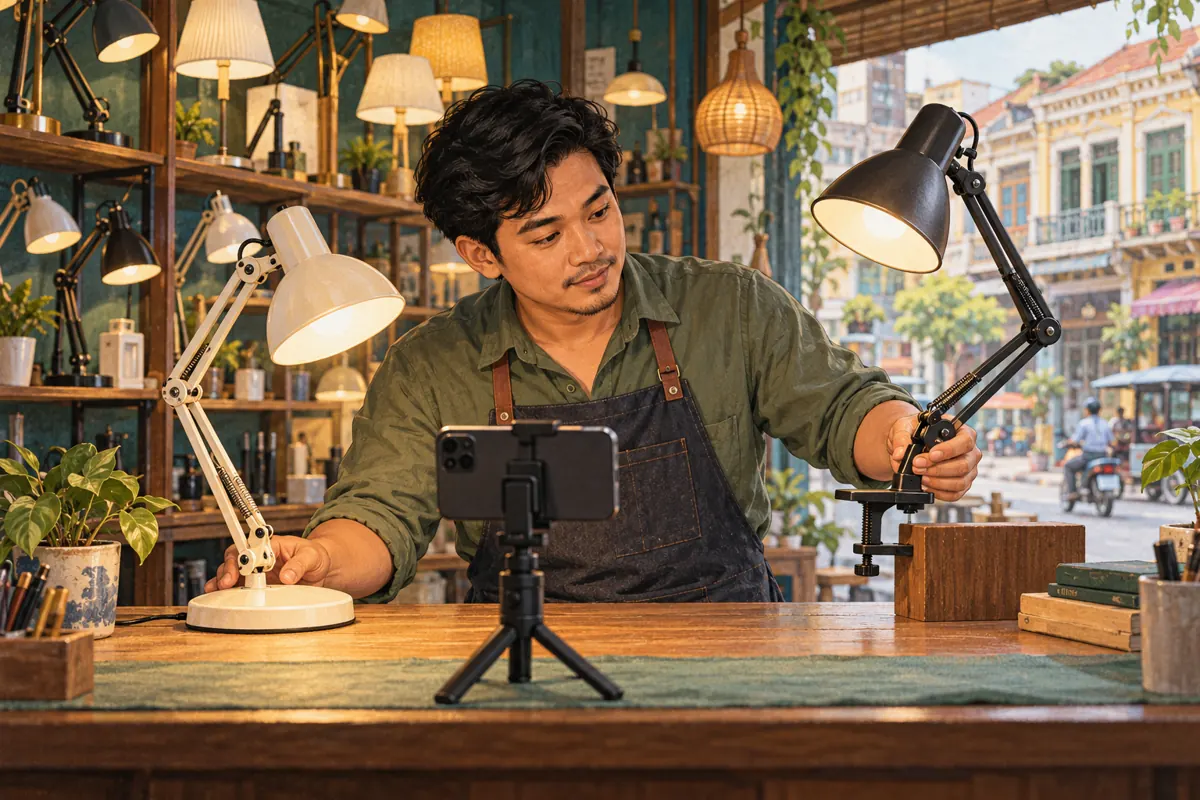
A product demonstration can remain useful long after the item on the counter changes. That becomes a problem when customers watch an older model and expect the same fittings, accessories or operation from its replacement. For a Cambodian desk-lamp shop, the difference between a round base and a clamp is more than appearance: it changes what the buyer needs to check before ordering. This guide explains how to decide whether new footage is necessary, prepare a new YouTube destination, update the places where the old link was shared, and handle any related SMM panel records. The shop and situations below are hypothetical examples, not customer results.
1. Identify the buying decision that changed
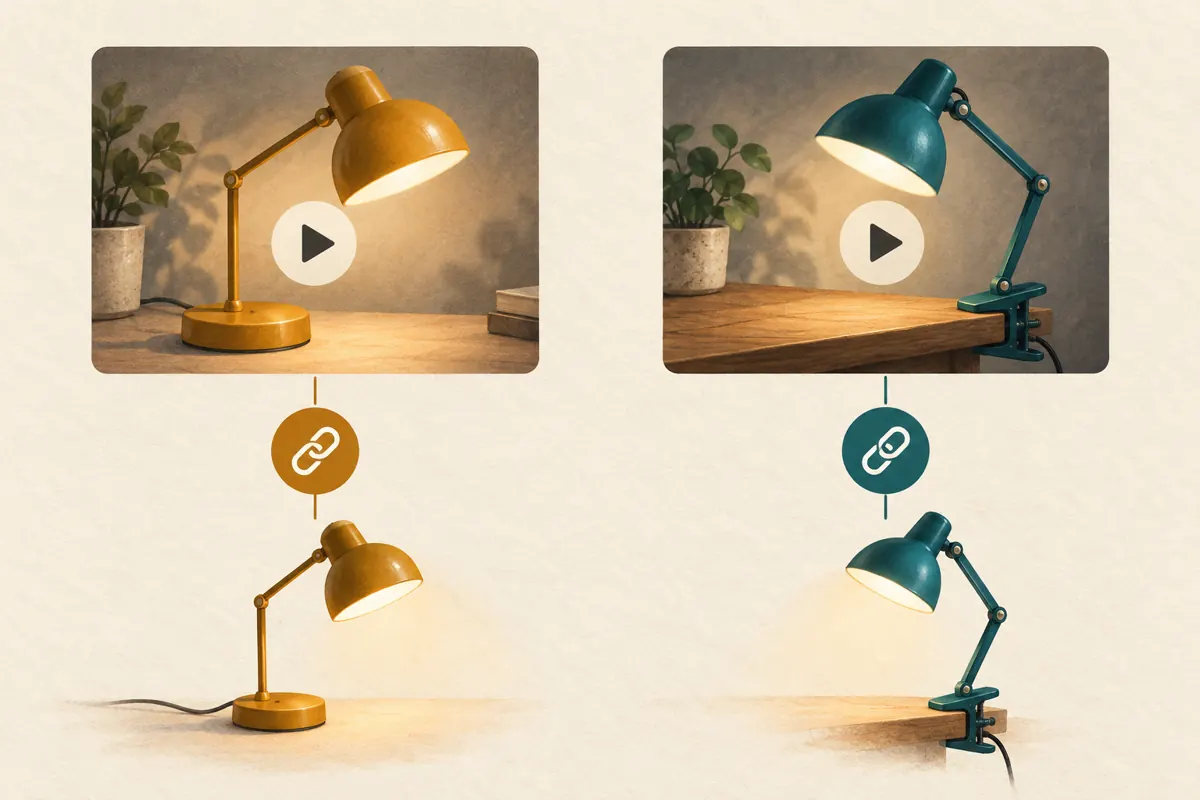
In our hypothetical Phnom Penh shop, an older video demonstrates a lamp standing on a round base. The next delivery contains a similar-looking lamp that attaches to a desk edge with a clamp. A staff member proposes using the existing video because the shade and adjustable arm look familiar. Before agreeing, ask what a viewer would reasonably believe comes in the box and how they would expect to install it.
Write a short difference note using the actual items: mounting method, included pieces, controls and anything the old demonstration no longer explains correctly. Separate confirmed observations from supplier statements that still need checking. Here, the important difference is the mounting method. The new demonstration should help a buyer identify a suitable desk edge and see the supplied clamp. A general message saying that stock has changed does not answer those questions.
2. Decide whether the existing footage still tells the truth
Use a simple decision test: can someone watch the current footage without reading any accompanying text and still understand the product being offered? If the item remains identical and only the collection hours changed, updating the surrounding information may be enough. If the footage shows a different attachment, control or included accessory, plan a fresh demonstration. Do not make a description carry the entire burden of correcting a visibly different product.
YouTube states that an uploaded video cannot be replaced with another file at the same address; a new upload receives a new URL. Its help page distinguishes this from modifying an existing video's details or trimming footage. For the lamp example, removing the base demonstration would still leave the new clamp unexplained. The editorial decision is therefore to film the current model, rather than shorten the old video until its most useful detail disappears.
3. Map where the old link is still being used
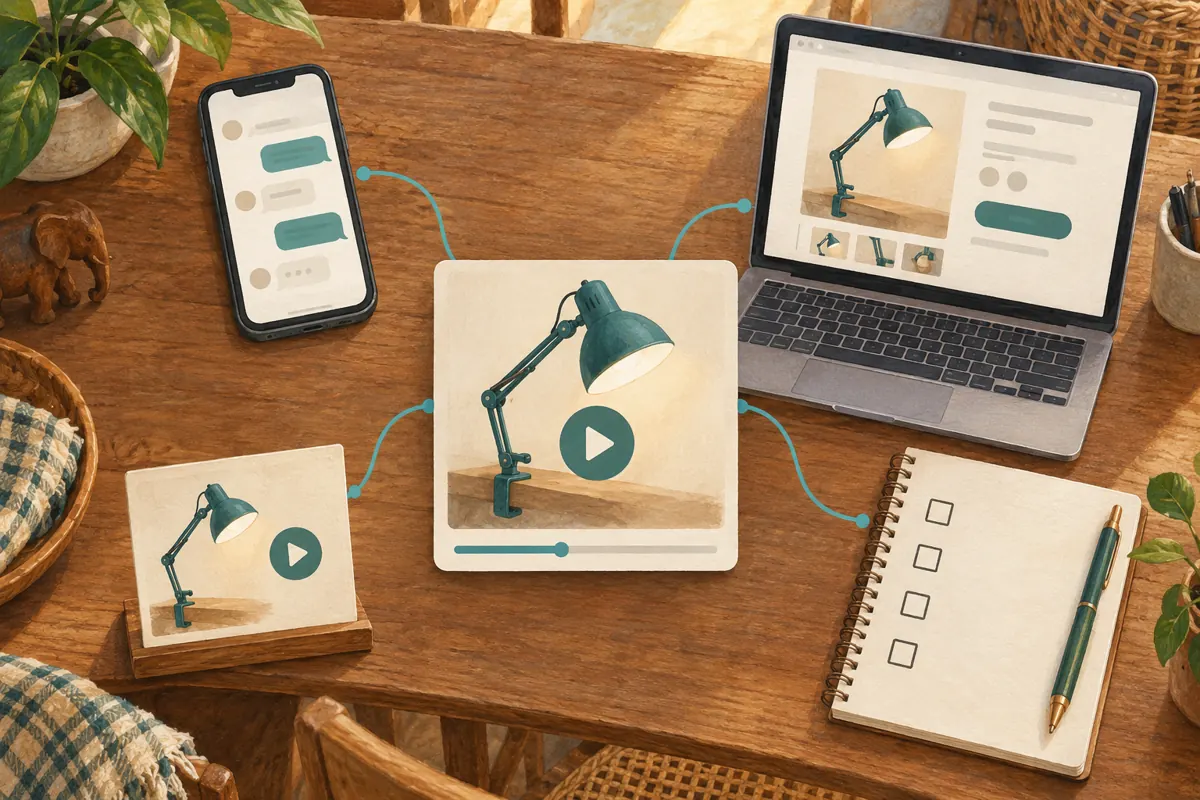
Before announcing the replacement, make a small inventory of destinations your business controls. Check the lamp's product page, recent promotional posts, saved customer replies, staff message templates and printed counter materials. Include any promotion brief or SMM order record that identifies the old video. Record the location, the person responsible for changing it and whether the link can actually be edited.
Prioritize places that imply current availability. A product page beside an order button needs attention sooner than a clearly dated workshop recap. For a printed card, test the destination instead of assuming the artwork file matches what was printed. For customer conversations, distinguish reusable reply templates from messages already sent. You cannot recover every forwarded link, but you can stop staff from continuing to distribute an outdated reference through the channels they manage.
4. Film the replacement around the changed feature
Prepare a compact shot list that answers the new buying question. Show the complete lamp, the supplied mounting pieces, the desk edge used for the demonstration and the clamp in position. Explain what viewers should check on their own furniture before contacting the shop. Use the manufacturer's instructions for the actual product, and avoid claiming that the fitting suits every desk merely because it works on the demonstration counter.
For Cambodian buyers, deliver the explanation in the language your customers use, with Khmer narration or carefully checked Khmer captions where appropriate. Keep any model identifier consistent with the packaging and quotation. Show the item clearly enough that a staff member can distinguish it from the old stock without relying on colour alone. Ask a colleague who did not film the video to describe what is included; uncertainty in that answer identifies a gap worth fixing.
5. Review the new destination before distributing it
Choose a review setting deliberately. YouTube explains that an unlisted video can be watched and reshared by anyone with its link. Private videos restrict viewing to the people you choose, and comments are unavailable on them. For routine, nonconfidential product review, an unlisted link may be practical; it should never be treated as confidential storage. Gather feedback in a separate review note if the chosen setting does not support your feedback method.
Give reviewers specific tasks: identify the model, describe the mounting method, check the spoken claims against the item and open the intended enquiry destination. Record approval against the exact video URL and revision being reviewed. After any further editing or uploading, verify what the final address actually opens. The final check should follow the customer's route from the promotional message to the video, rather than stop at the editor's preview.
6. Give the older demonstration an explicit role
An older demonstration may still help people who bought the round-base model. Decide whether it should remain a historical guide, become less discoverable or be removed from public access. If it stays available, label its purpose clearly in the information you control. A hypothetical note could explain that the video demonstrates the earlier round-base model and that customers asking about the clamp model should use the current guide. Avoid implying that the older product is defective simply because stock changed.
Unlisted status does not stop an existing link from being shared. If continued access would create serious confusion, consider whether private status better fits the situation. Deletion is permanent, according to YouTube, so preserve any files and business records you need before making that decision. Choose based on the usefulness and accuracy of the old material, not on embarrassment about its age or a desire to make the channel look newly launched.
7. Update links with enough context to help buyers
Replace references in the most consequential locations first, then work through the inventory. Update the surrounding sentence as well as the address. A link labelled simply as the lamp video leaves staff and buyers guessing when two models exist. A phrase identifying the clamp-base demonstration makes the destination easier to choose. Where the shop communicates in Khmer, have a fluent reviewer check that the mounting distinction survives translation.
For an active enquiry, explain why you are sending a different guide: the item currently being quoted uses a clamp, while the earlier clip showed a round base. Ask the buyer to confirm the relevant requirement before finalizing the order. Do not broadcast repeated correction messages to everyone who ever contacted the shop. Focus on conversations where the change could affect a live decision, and mark completed updates so colleagues do not send conflicting explanations.
8. Keep SMM records attached to the original request
A new video is a reason to review promotion records, not permission to rewrite their history. If an existing SMM request names the old URL, retain that original target, order identifier and recorded status. Add a dated note explaining the content change. Ask support what, if anything, can be changed under the documented service terms. Do not assume cancellation, transfer, replacement delivery or a refund is available, and do not submit another request merely to resolve uncertainty about the first.
The supplied catalogue includes the exact name "YouTube Like ~ Max 100k ~ 50k/days ~ Instant ~ 𝐍𝐎 𝗥𝗘𝗙𝗜𝗟𝗟". This is a like-labelled listing, not a video-editing or link-migration service. Its description is empty, so the name provides no verified evidence about delivery methods, audience identity or suitability for Cambodian customers. Treat the wording as catalogue data rather than a confirmed performance promise.
9. Choose promotion that brings relevant viewers honestly
YouTube prohibits artificial increases in engagement metrics and warns that a promoter's actions can affect the hiring channel. That makes the method more important than the service label. Do not use a purchased engagement count as proof that the replacement guide is useful or that local buyers want the lamp. Such counts establish neither genuine interest nor sales, Cambodian audience origin or advertising delivery.
Instead, use the corrected guide where it resolves an actual question: on the matching product page, in a relevant customer reply or in an accurate shop post. Give the promotion a specific purpose, such as helping a buyer understand the mounting requirement before requesting a quotation. If a provider cannot explain a method consistent with platform rules, leave that request unsubmitted. Finishing a video does not create an obligation to purchase a panel service.
10. Check the handover for mistakes that matter
Common mistakes include reusing the old thumbnail, changing the link while retaining the old product name, and copying an outdated accessory list into the new description. Another is asking one colleague to check everything from memory. Assign a product check to someone handling the stock and a destination check to someone opening the published customer route. Both should compare against the same approved model reference.
After the handover, keep a brief enquiry log focused on misunderstandings: which model the customer meant, where they found the guide and what remained unclear. Record only information needed for that purpose. In this hypothetical shop, repeated questions about whether a base is included would justify improving the explanation. They would not prove the campaign failed, just as a larger view count would not prove it succeeded. Review the clarity of the buying conversation alongside any separately recorded promotion activity.
Frequently asked questions
Should every new delivery get a new YouTube demonstration?
No. First inspect whether the product or the explanation has materially changed. Identical replacement stock may use the same accurate guide. A different mounting system, included component or operating procedure deserves a fresh review. The decision should follow what buyers need to understand, rather than the delivery date alone.
What if customers still need the older lamp guide?
Keep a clearly identified reference if it remains accurate and useful. Separate its purpose from the current offer, and give staff a simple rule for choosing between the guides. A customer asking about a previously purchased round-base lamp should not automatically receive instructions for the new clamp model.
Can I assume an SMM order will follow the replacement video?
No. Preserve the original order target and ask about the specific request under its documented terms. An answer about whether a link can be changed is separate from whether the promotion method complies with YouTube policy. Do not interpret technical availability as platform approval.
What should a very small shop update first?
Start with the route most likely to affect an immediate purchase: the current product page or offer, the reply staff send to new enquiries, and any active quotation involving the changed model. Then work through older controlled references. Keep a short outstanding-items list so printed cards and less frequently used templates are not forgotten.
How can we tell whether the new guide is clearer?
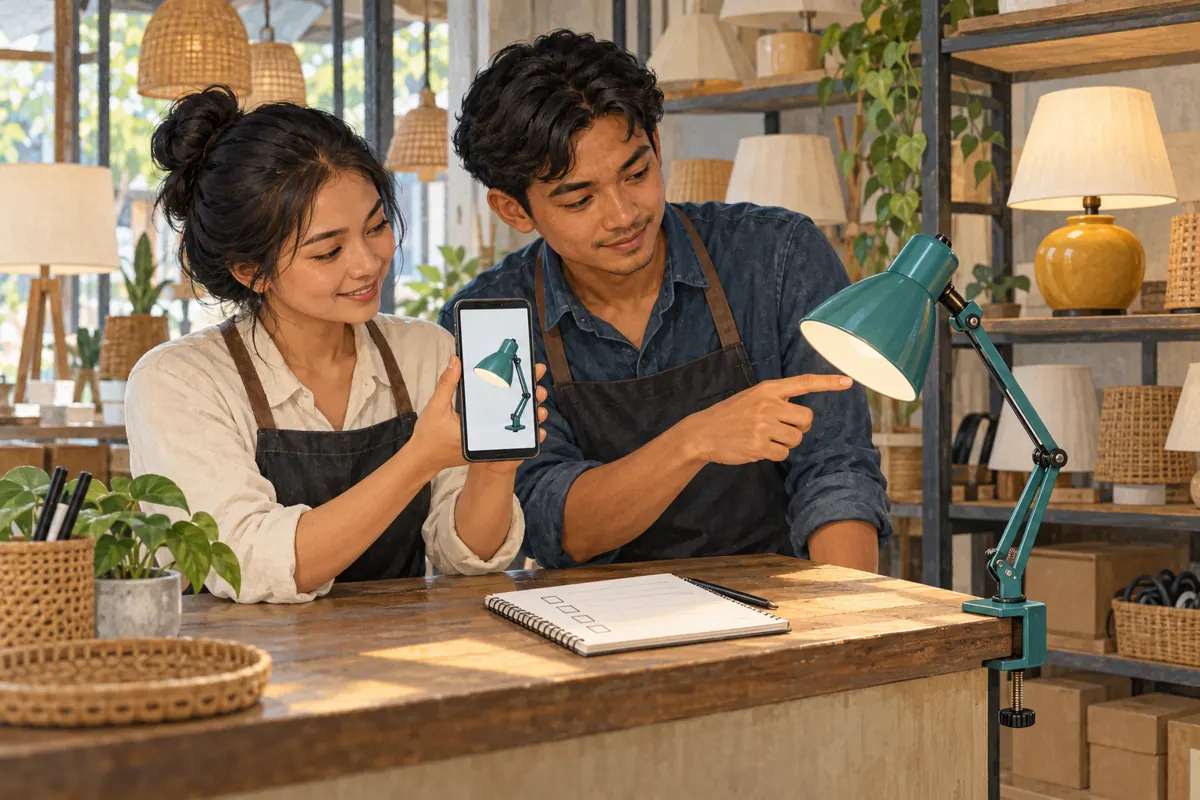
Ask someone unfamiliar with the filming to explain the mounting method and included parts after watching. Then note whether real enquiries still reveal the same misunderstanding. These checks assess comprehension directly. They do not establish sales causation, and they should remain separate from purchased service delivery records.
Explore the current service catalogue, create an account, or ask a specific question through support tickets.
- YouTube Help: Replace or delete your video
- YouTube Help: Change video privacy settings
- YouTube Help: Fake engagement policy
Prepared with AI assistance. Illustrations explain the workflow and do not represent customer results.