21/10/2026 19:52
Can the Cutting Step Stand Alone? YouTube Remix Checks for Cambodian Sewing-Pattern Shops

A sewing demonstration can be accurate from beginning to end yet become confusing when someone extracts a small moment. The full lesson might explain that fabric is folded, that a particular pattern includes seam allowance, or that the sample illustrates only one size. An excerpt showing scissors moving across cloth may leave those conditions behind. For Cambodian sewing-pattern shops promoting lessons and supplies through YouTube, that creates a practical question: which demonstrations remain useful when they travel beyond the original video? Before encouraging reuse or considering an SMM-panel service, review the meaning of the footage, the remix choices available, and the information a prospective buyer actually needs.
1. Start with the misunderstanding you need to prevent
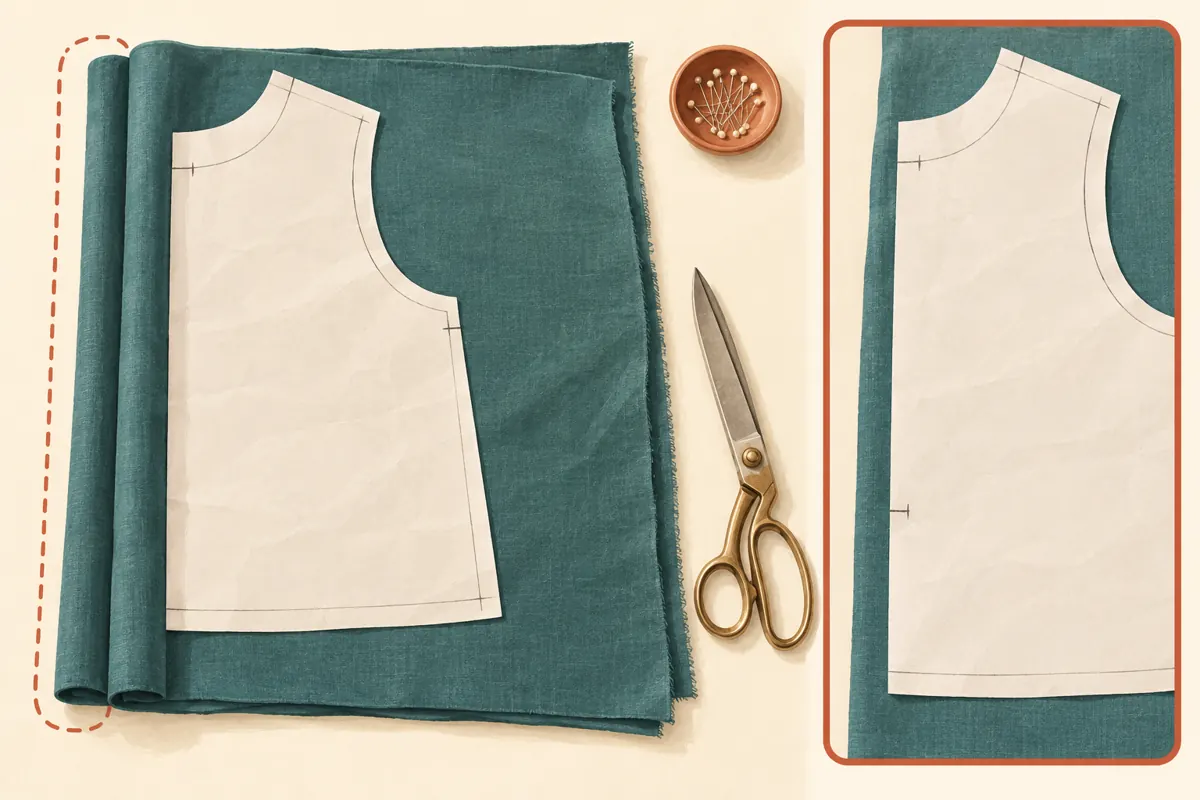
Consider a hypothetical Phnom Penh shop selling paper patterns and offering introductory demonstrations. Its video shows a bodice piece placed against folded fabric. Early narration explains the arrangement, but the visually interesting cutting sequence comes later. Another creator might focus on that sequence while discussing sewing tools. Someone watching only the excerpt could miss the fold and misunderstand how many pieces the shop intended to produce.
Write the likely misunderstanding in one sentence before reviewing settings: a viewer might treat this demonstration as a complete cutting instruction. Then identify the missing condition. This turns an abstract concern about content reuse into an editorial decision. The shop can provide a clearer standalone demonstration, choose a different promotional moment, or limit remixing where the available controls permit.
2. Understand what the remix setting controls
YouTube supports Shorts that reuse eligible audio or video, with attribution to the source. Its guidance says Shorts are automatically opted into remixing; ordinary creators can opt their Shorts out of video remixing. Audio controls differ, including additional options for partners using Studio Content Manager. Review the official guidance rather than assuming one switch controls every form of reuse.
Treat the setting as one part of distribution planning. It cannot make an incomplete explanation understandable, and it is not a confidentiality arrangement. Keep private customer measurements, identifiable order sheets and material you are not prepared to show publicly out of the demonstration itself. Decide what belongs in the public lesson before deciding how that lesson may be reused.
3. Audit the footage for conditions that disappear
Watch the demonstration and note where its meaning depends on something shown earlier. Useful categories include material preparation, pattern version, size, cutting orientation and what the purchase includes. Keep the review specific to your actual product. A paper pattern sold separately from instruction needs different clarification from a workshop booking that includes supervised practice.
Then examine the visually attractive moments without their introduction. Pause on the pattern placement, the first cut and the finished piece. Ask what a viewer could confidently identify from each moment alone. If the fabric fold is outside the frame or a relevant label is hidden under a hand, the footage needs more context before it becomes a suitable standalone promotional asset.
For a Cambodian audience, test the spoken explanation with someone comfortable in the language used by your intended buyers. A familiar workshop abbreviation may not be clear to a beginner. Preserve the actual distinction between cutting, sewing and finished dimensions rather than replacing it with a vague statement that the pattern is easy.
4. Choose between open reuse, a separate sample and restriction
Allowing eligible reuse can be a reasonable editorial choice when the footage communicates a complete, modest idea. A demonstration of organizing pattern pieces, for example, may retain its meaning better than an isolated alteration step. Evaluate the specific footage instead of applying a blanket rule that every educational video should be available for remixing.
Create a separate sample when the full lesson is valuable but its individual actions depend heavily on earlier explanation. Film a short segment that shows the relevant material, the action and the result together. Give it one purpose, such as identifying the folded edge. This sample should be independently understandable, rather than merely the most dramatic moment cut from a longer lesson.
Choose restriction where available when the shop cannot make the likely excerpts sufficiently clear or is uncomfortable with that form of reuse. This is a distribution decision, not a claim that restricted content will perform better. Record the reason so a colleague does not later reverse the setting merely because a promotional calendar says to encourage participation.
5. Review and save the setting on the correct video
YouTube’s documented route is Studio, Content, the video title or thumbnail, Show more, then Shorts remixing. Choose the available preference and save. Check the exact upload first; similar thumbnails can make an older lesson easy to select by mistake.
Keep a small internal record containing the public video address, the lesson version, the preference selected, the reviewer and the review date. Use the wording actually visible in your account. Avoid recording a broad statement such as all copying blocked when the control addresses only a particular remix option.
Reopen the relevant video details after saving and confirm the choice. For a collection of lessons, review a few representative videos individually before considering any bulk change. A general introduction, a customer commission and a technical fitting demonstration may deserve different decisions even when they sit in the same content calendar.
6. Give collaborators a complete promotional idea
In a hypothetical collaboration with a Cambodian sewing educator, the shop wants to introduce its pattern range without implying that every pattern uses the same construction method. A useful brief would identify the approved demonstration, the pattern shown and the condition that must remain understandable. It would also distinguish a product introduction from a complete lesson.
Ask the collaborator to explain their intended message before producing the promotional piece. If their idea depends on removing the qualification that makes the demonstration accurate, select different footage. Do not solve that mismatch with tiny text that viewers are unlikely to read. A clearer visual example or a narrower claim usually gives the collaboration a stronger foundation.
Keep the final review focused on meaning: what is included, what the viewer is seeing and what remains to be learned. Avoid scripting praise or presenting a collaborator as a satisfied customer unless that description is true. An educational contribution can be useful without pretending to be a purchase recommendation.
7. Put SMM-panel requests through a separate decision
A suitable remix setting does not establish that a paid engagement service is appropriate. The supplied catalogue includes the exact title “Youtube Comments ~ AI Generated Comments Based on Video/Short/Livestream Content ~ 10k/Days ~ Instant ~ 𝐍𝐎 𝗥𝗘𝗙𝗜𝗟𝗟”. The title identifies a proposed AI-generated comment service, but its description is empty. Its timing and delivery wording are catalogue claims, not verified performance evidence.
Such comments cannot establish whether learners understood the folded edge, whether buyers want the pattern, or whether Cambodian viewers saw the demonstration. Do not use them as invented student questions, customer endorsements or proof of demand. Purchased engagement is not evidence of genuine interest, sales, ad delivery or Cambodian audience origin.
YouTube prohibits artificial increases in views, likes, comments and other metrics, and states that actions taken by a hired promoter can affect the channel. Decline services that artificially inflate engagement. For this workshop scenario, improving the demonstration and sharing it with relevant people who choose to watch provides a sounder basis for learning what needs explanation.
If a panel request is under review, document its proposed method separately from the content approval. Ask what would actually be delivered and how the provider says it would be obtained. An unclear method is a reason to stop the request; a polished video or a completed remix review does not resolve that uncertainty.
8. Test understanding before interpreting results
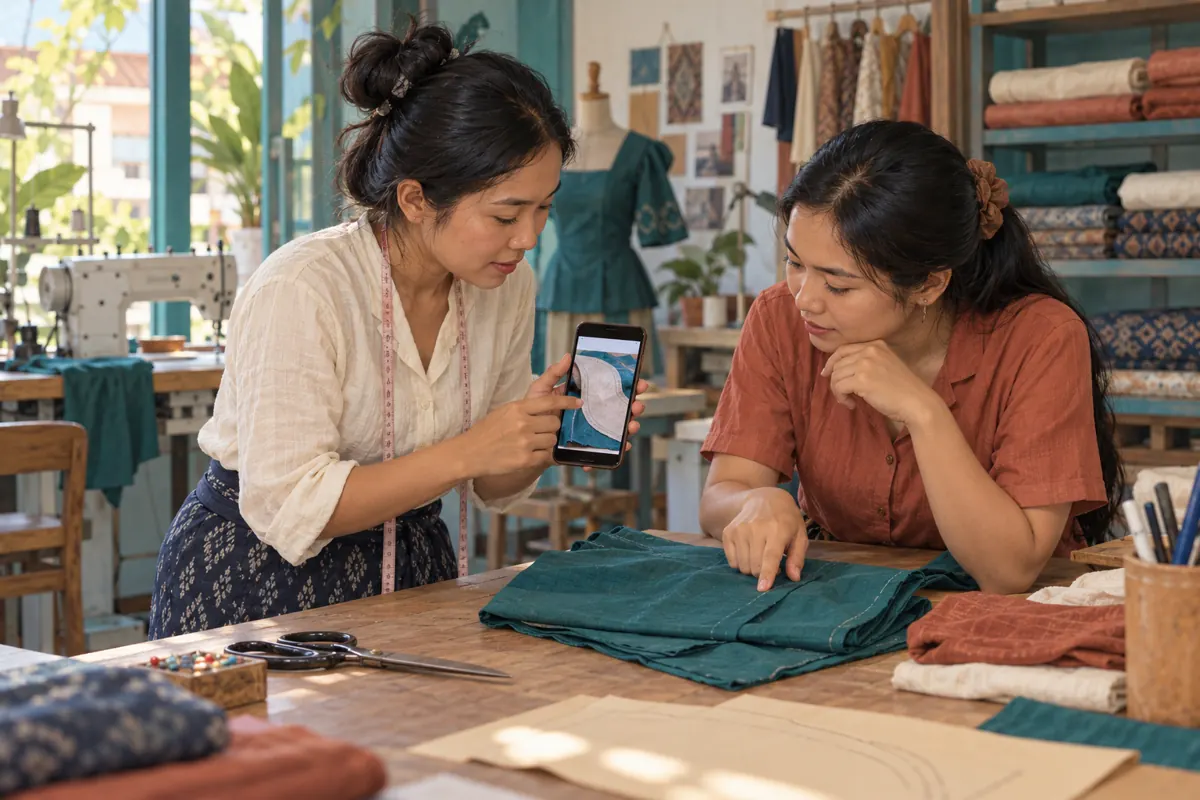
Show the proposed promotional excerpt to a colleague who did not edit it. Ask them to describe the fabric arrangement, identify the pattern and explain what the shop is offering. Use open questions rather than asking whether everything looks clear. A confident but incorrect answer is valuable evidence that the visual explanation needs revision.
After sharing the content, record genuine questions in their original context. Separate a viewer asking about seam allowance from someone asking whether a printed pattern can be collected locally. The first suggests an instructional gap; the second concerns the offer. Neither should automatically be counted as an order.
Keep commercial records equally concrete. An enquiry becomes a confirmed purchase only when your normal confirmation process is complete. If a person volunteers that a collaborator’s video introduced them to the shop, record that as their statement. Avoid assigning every subsequent sale to the remix simply because the timing overlaps.
9. Plan for corrections and changing permissions
Before restricting remixing or editing an established source video, consider existing derivatives. YouTube says relevant restrictions, deletion, or Studio trimming and blurring can affect remixes: video remixes are deleted, while audio remixes are muted, unlisted and scheduled for deletion after 30 days. Check the current guidance before making the change.
For a planned collaboration, keep a list of the source video and the promotional pieces that depend on it. If the pattern changes, tell the collaborator what changed and agree on an updated explanation. Do not leave an inaccurate lesson in circulation solely to preserve an existing campaign.
A correction should identify the actual issue, such as a revised pattern piece or an omitted preparation condition. Broad wording like improved version gives viewers little help deciding whether earlier instructions still apply. Keep a dated internal note of the correction and use it when answering later questions about the demonstration.
10. Avoid shortcuts that weaken the review
The first common mistake is assuming source attribution supplies all missing context. A viewer can recognize the shop while still misunderstanding the action. The second is treating a public tutorial as a complete invitation to reuse every element in any setting. Discuss intended use with collaborators and check the platform options that apply to the particular upload.
Another mistake is burying a critical qualification in a description while the video itself suggests something broader. If the distinction matters to the demonstration, make it visible or audible near the action. Finally, do not let a service dashboard replace editorial judgment. A delivery status can describe a transaction; it cannot tell you whether someone learned the right cutting method or became a suitable customer.

Frequently asked questions
Should every sewing demonstration use the same remix preference?
No. Review what each demonstration communicates when separated from its introduction. A simple materials overview may be easier to reuse responsibly than a fitting adjustment that depends on earlier measurements. Consistency should come from applying the same review questions, rather than choosing an identical setting for unrelated lessons.
What if the excerpt looks attractive but leaves out the fabric fold?
Treat that as a failed context check. Select a wider moment, film a clearer standalone example or choose another promotional idea. Do not assume viewers will reconstruct the missing arrangement from the finished piece. Ask a colleague to explain the revised excerpt before approving it.
Can generated comments help us discover what learners find confusing?
They cannot serve as evidence of learner experience. A generated question may suggest an internal review topic, but it should not be posted or reported as a genuine audience response. Use actual questions, observed misunderstandings during voluntary reviews and direct product enquiries to decide what explanation to improve.
What should a small shop record if it has no marketing team?
One short note per promoted video is enough: the public link, pattern version, essential condition, remix preference, review date and any collaborator using it. Add corrections when they occur. This gives the owner a practical reference when revisiting a lesson without creating an elaborate reporting system.
Explore the current service catalogue, create an account, or ask a specific question through support tickets.
Prepared with AI assistance. Illustrations explain the workflow and do not represent customer results.