20/10/2026 08:18
Pages or Sheets? YouTube Corrections for Cambodian Stationery Shops

A notebook demonstration can look convincing while giving shoppers the wrong specification. A presenter says “120 sheets,” although the product contains 120 pages. The binding demonstration and paper close-ups remain useful, but the spoken claim could change a buyer’s decision. For a Cambodian stationery business sharing videos with parents, students or office purchasers, correcting that detail should come before further promotion. YouTube offers a timestamped correction feature for published videos. This workflow explains how to verify the mistake, decide whether a written correction is enough, and review the result before sharing the video or evaluating an SMM-panel service.
1. Identify the claim that could change the purchase
Start with the shopper’s possible misunderstanding. In a hypothetical Phnom Penh stationery shop, a presenter introduces a ruled notebook as having 120 sheets. The shop later confirms that it contains 60 paper leaves, giving 120 page surfaces. These are illustrative product details, not specifications for an actual notebook. The error matters because someone comparing notebooks could reasonably expect twice as much paper.
Write down the exact spoken sentence, its timestamp and the product shown. Then check whether the same statement appears in an on-screen label, thumbnail, caption or sales message. A correction is easier to manage when the team knows the full extent of the mistake. Avoid beginning with a vague instruction such as “fix the notebook video,” which leaves the editor guessing about both the problem and the intended answer.
2. Verify the notebook before writing the correction
Bring the filmed sample, its packaging and the supplier’s specification together. Match the product identifier rather than relying on cover colour: similar-looking notebooks may contain different paper quantities. Check whether the supplier’s count includes introductory pages, inserts or other material. If the packaging and supplier information disagree, ask for clarification before replacing one uncertain claim with another.
For this workflow, describe a leaf as one physical piece of paper in the notebook, with two page surfaces. Do not assume every supplier uses “sheet” consistently. Have a second staff member confirm how the verified count should be expressed to customers. A short internal note can record the product identifier, confirmed wording, evidence and reviewer. Keep that note with the content brief so future captions do not resurrect the original error.
3. Decide whether a correction note is enough
A timestamped note is most useful when an isolated factual error sits inside an otherwise reliable demonstration. In the hypothetical notebook example, the video might still accurately show the binding, ruling and cover. A clearly worded correction can explain the page count while preserving those useful observations. However, the shop should still consider whether a viewer could miss the note and make a materially mistaken purchase.
Choose a corrected recording when the wrong specification drives the whole sales argument. For example, a video repeatedly comparing supposed paper quantities needs more than a brief clarification. The same applies when several products are confused or the visual demonstration itself contradicts the correction. Pause further sharing while deciding. Existing views are not a good reason to keep directing shoppers toward an explanation the team no longer trusts.
4. Add the correction using YouTube’s documented format
YouTube Help’s “Edit video settings” instructions describe the desktop route: open YouTube Studio, select Content, choose the video and edit its description. Add the heading “Correction:” or “Corrections:” in English, even when the surrounding description uses another language. Put the timestamp and explanation on a separate line, place the correction section after any video chapters, and save the change.
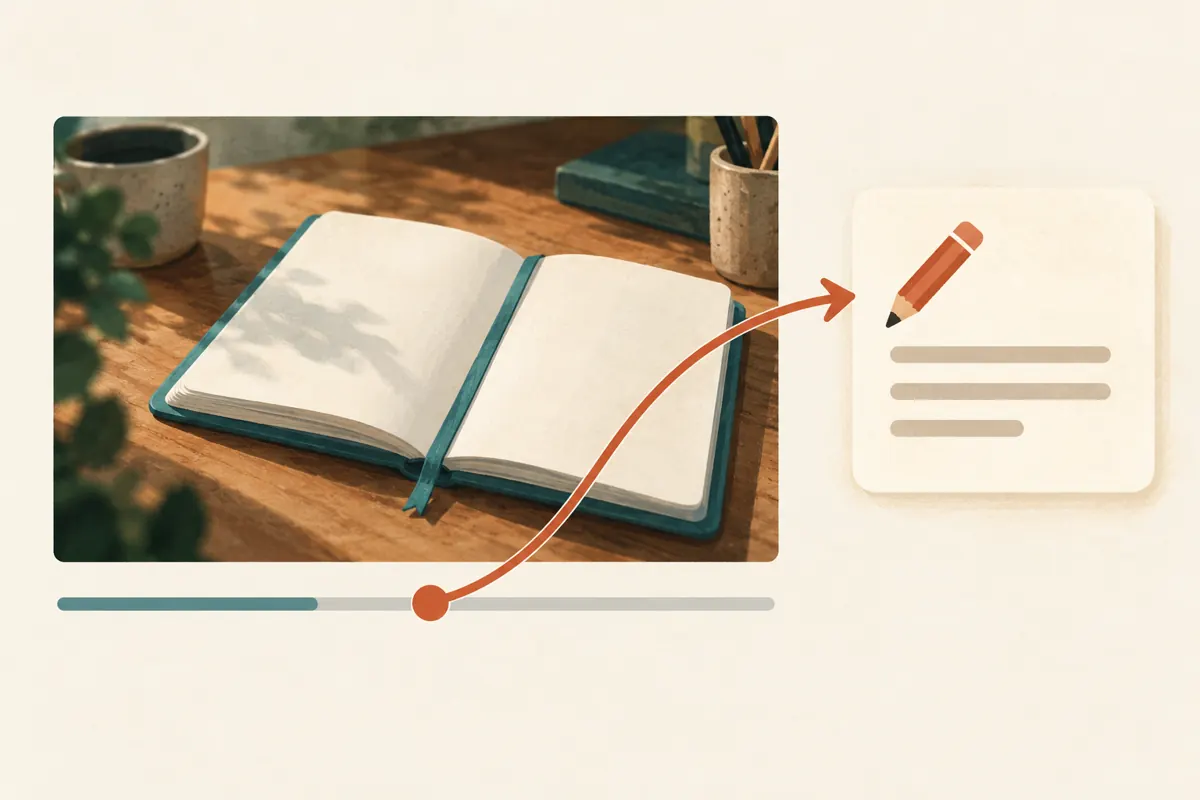
For the hypothetical notebook, the correction line could read: “0:42 The notebook shown contains 120 pages across 60 paper leaves. I incorrectly called these 120 sheets.” Use the actual moment of the error in your own video. YouTube’s official corrections guide explains that viewers reaching a correction timestamp receive an information overlay that leads to the description entry. Multiple corrections can have separate timestamped lines. This adds an explanation; it does not rewrite the original spoken sentence.
5. Write for the person choosing stationery
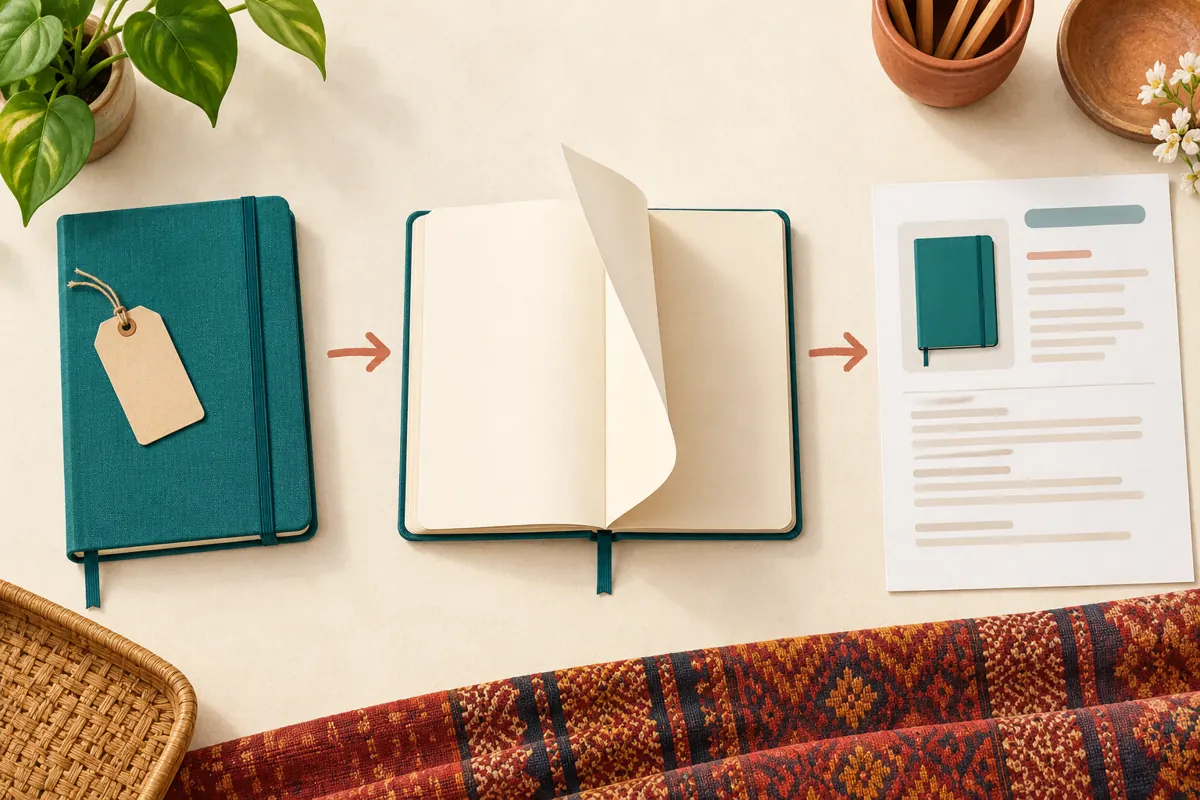
A useful correction names the product, states the verified fact and identifies the earlier mistake. “Specification updated” leaves too much work for the viewer. “The teal ruled notebook shown has 120 pages; the spoken sheet count was incorrect” gives the shopper something concrete to use. Avoid turning the note into a fresh sales pitch. Extra praise about quality or value can obscure the information being corrected.
For a Khmer-speaking audience, have a fluent staff member write and review the explanation in the language customers understand. Preserve the required English correction heading, but do not make buyers decipher an English technical explanation unnecessarily. Where the shop also serves English-speaking purchasers, review both versions against the same specification note. Translate the meaning of the count carefully rather than assuming that similar everyday words always distinguish pages from physical leaves.
6. Review the result from the watch page
After saving, open the public watch page and play from shortly before the affected sentence. Check that the timestamp points to the right claim and that the description contains the complete explanation. Repeat the review on a phone, where staff or customers may normally watch the demonstration. Ask a colleague who did not write the correction to explain the notebook’s quantity after viewing it.
Treat that review as a comprehension check, not proof that every future viewer will notice the correction. YouTube Help states that the feature is unavailable when a channel has active strikes or the content may be inappropriate for some viewers. If the expected correction presentation is absent, check the documented format and eligibility. If the purchasing misunderstanding remains significant, use a corrected recording instead of depending on an uncertain display.
7. Repair the messages surrounding the video
The YouTube description may be only one place where shoppers encounter the claim. Review the shop’s product listing, promotional caption, printed counter card and staff reply template if they repeat the same quantity. Fix each affected item deliberately. Do not assume that editing the video description will correct a copied message that a customer has already received.
In the hypothetical shop, an office purchaser may already have requested notebooks after reading the incorrect sheet count. The staff member handling that enquiry should clarify the specification before confirming the order. Explain the error plainly and let the purchaser reconsider the quantity or product. Keep personal customer information out of the public correction. The public note explains the video; the private conversation resolves that customer’s particular purchasing decision.
8. Apply a separate check to SMM-panel services
Correcting a video does not establish that a promotion service is suitable. The supplied catalogue includes “Youtube - Native Ads Views ~ 𝗥𝗘𝗙𝗜𝗟𝗟 30D ~ 10k-100k/days ~ INSTANT”. Its description is empty. The title presents it as a views-related offering, but does not establish its delivery method, advertising placement, Cambodian audience, platform affiliation or compliance. Treat the name as a catalogue label, not verification of its embedded claims.
Before considering expenditure, request a clear explanation of the method and assess it against YouTube’s rules. YouTube’s fake engagement policy prohibits artificial increases in engagement and warns that a hired promoter’s actions can affect the channel. Do not proceed with artificial engagement. Purchased engagement is not evidence of genuine interest, sales, ad delivery or Cambodian users. A correction also needs no purchased activity to make it valid: accurate information and a usable viewing experience are the immediate requirements.
9. Give staff a concrete release decision
Assign one person to confirm the product fact and another to check the viewer experience where staffing allows. Their decision should say whether the existing video is ready to share, needs a clearer correction, or requires a new recording. Include the reviewed link and date so another colleague does not accidentally promote an earlier version or an unrelated notebook demonstration.
For a small shop where one person handles everything, separate the tasks in time. Verify the physical item first, edit second, then return as a viewer after a break. Read the correction without relying on what you remember from the supplier conversation. If an outside marketing provider already has the video link, tell them the content review status through the shop’s normal process. Do not assume an existing service request can be paused, changed or refunded.
10. Avoid fixes that leave the misunderstanding intact
One common mistake is choosing a timestamp near the end because that is where the presenter discusses ordering. The correction belongs with the inaccurate claim. Another is replacing “sheets” with “pages” everywhere without checking which product each sentence describes. A hurried global wording change can make previously accurate comparisons wrong.
Do not hide responsibility behind an unexplained supplier update if the presenter simply misspoke. Avoid blaming the customer for misunderstanding clear but inaccurate words. Equally, do not add a long apology that buries the corrected specification. Acknowledge the mistake, state the fact and explain any consequence for the offer. If a promotional image still shows the incorrect quantity prominently, revise that image before resuming distribution. The overall message should agree with the correction.
11. Judge the correction by understanding
After sharing resumes, look for evidence that people understand the product more clearly. Useful observations include whether staff give consistent answers and whether new enquiries distinguish page count from pack quantity. Record recurring questions in their own words without treating a handful of conversations as a representative market survey. Another explanation may be needed if the same ambiguity keeps returning.
Keep this review separate from performance claims. A rise in views does not show that viewers read the correction, accepted the specification or intended to buy. Even a confirmed sale does not establish which part of the video influenced the customer unless they tell you. The practical outcome is a dependable demonstration that staff can share confidently, supported by a product fact they can verify and explain.

Frequently asked questions
Can the correction explanation be in Khmer?
Yes. YouTube’s official guide distinguishes the required English heading from the language used for the explanation. Have a fluent reviewer check that the Khmer wording communicates the verified quantity unambiguously. Keep product identifiers consistent across language versions.
Does a correction replace the incorrect audio?
No. It adds an explanation associated with a timestamp. The original statement remains in the recording. If hearing that statement without noticing the note could materially mislead shoppers, prepare a corrected recording and review where the old video is still being shared.
Should we correct a video when nobody has complained?
Yes, once a relevant factual error is verified. Silence does not establish that viewers understood the product correctly. Someone may be comparing options without contacting the shop. Correct the specification because it affects the information available to that person.
What if two notebook batches have different page counts?
Identify the batch or product version shown and verify each specification separately. Do not describe a genuine product change as a speaking error. Explain which item the video demonstrates, then make the current offer clear wherever customers choose or order the notebook.
Can more views demonstrate that the correction worked?
No. Views do not establish comprehension. Use a colleague’s viewing check and genuine customer questions to find remaining ambiguity. Keep any service delivery record separate from conclusions about understanding, local demand or sales, and avoid services that artificially inflate engagement.
Explore the current service catalogue, create an account, or ask a specific question through support tickets.
- YouTube Help: Edit video settings
- YouTube Official Blog: How to add corrections to YouTube videos
- YouTube Help: Fake engagement policy
Prepared with AI assistance. Illustrations explain the workflow and do not represent customer results.